The HDAA Story
Our originsIn 2001, individuals from Intermountain Healthcare, Blue Cross Blue Shield of Alabama and Presbyterian Healthcare Services proposed a forum for discussing healthcare data warehousing among their peers, free of the marketing presence that accompanies many technology conferences. That same year, Intermountain hosted the first meeting of what was to become the Healthcare Data & Analytics Association (HDAA).
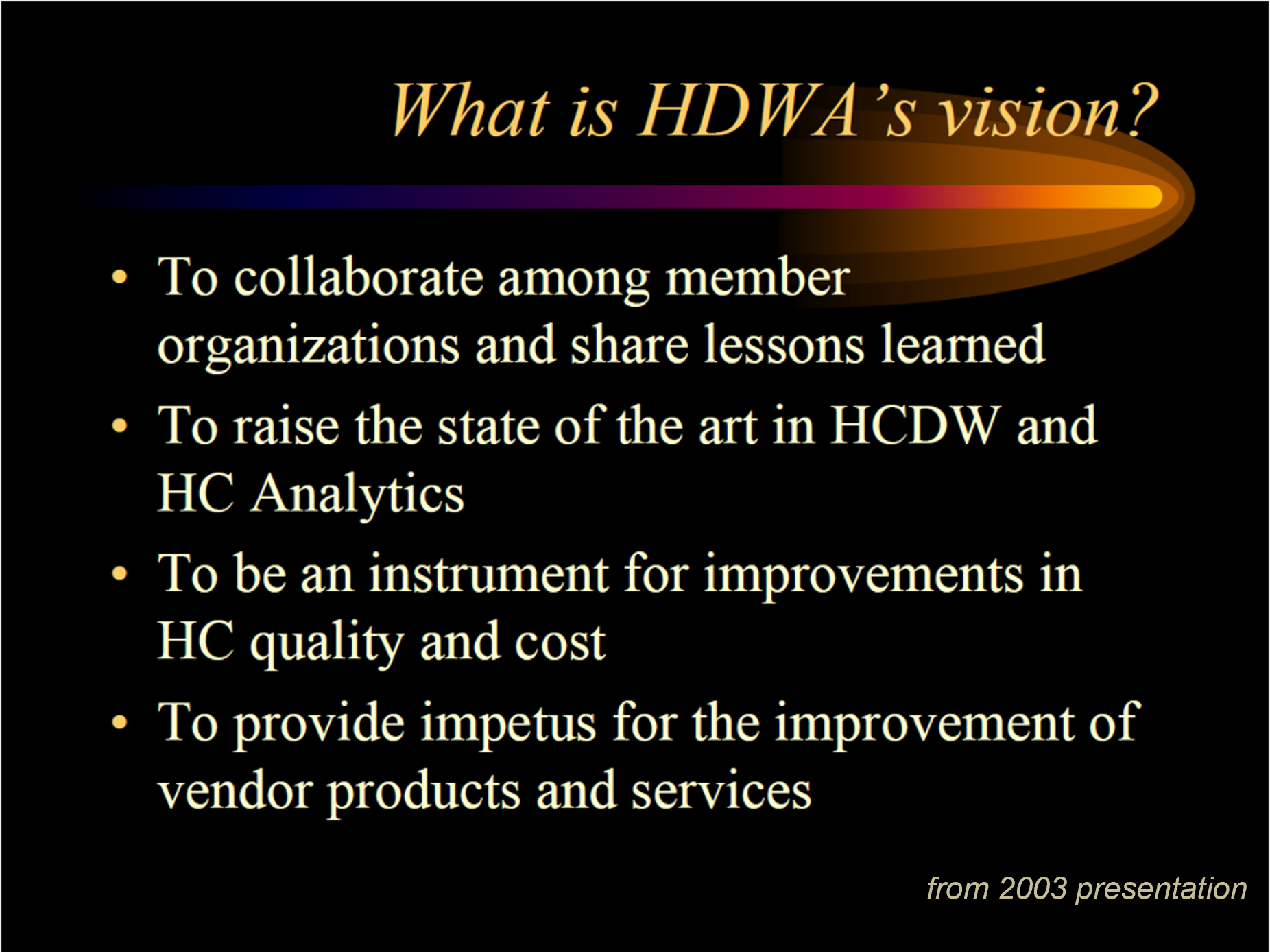
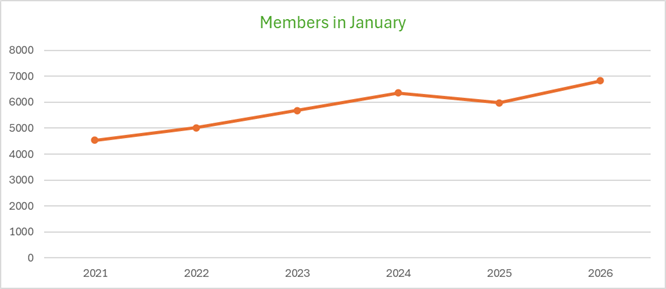
Over the course of the next four years, the group established membership guidelines – providers large and small, payers, healthcare-related agencies; minimal overhead and an emphasis on volunteers – and adopted the name Healthcare Data Warehousing Association. Our organization’s mission from the beginning and formalized in 2016 when we incorporated under our current name: placing healthcare analytics at the service of improved patient outcomes. Our approach: creating a collegial atmosphere for collaboration among like-minded practitioners of our profession. HDAA grew rapidly as more healthcare systems realized the value of data for operations, patient satisfaction, and most importantly, improved patient outcomes. Prominent contributors to the conversation early on were MD Anderson Cancer Center, Presbyterian Healthcare Services, Baylor Health Care System (now Baylor Scott & White Health), Carolinas Medical Center (Atrium), Sutter Health, Geisinger Health, Mayo Clinic, US Department of Veterans Affairs, Peace Health, SSM Health, Partners Health Care, and Olmstead Medical Center. As of early, HDAA has approaching 7,000 members representing hundreds of provider and payer organizations throughout North America, Canada and a total of 42 countries. Our signature event is a three-day annual conference, which resumed in-person in 2022 after two years as a virtual-only event. The conference now attracts around 400 attendees, and features multiple presentation tracks, posters, expert panels, and open-ended roundtable discussions. In addition to the conference, HDAA hosts online presentations and panel discussions on all manner of topics. The organization also has over a dozen special interest groups covering a range of technologies and practices. HDAA is also piloting local chapters, currently in seven locations (See BASICS::HDAA Around the World). These groups foster local meetups discuss regional topics and foster networking with neighbors. In the past 25+ years, HDAA as developed into the premium meeting place for heathcare analytics practitioners.
The COVID eraDuring the COVID-19 pandemic starting in spring 2020, healthcare analytics was front and center in the national conversation. In response, HDAA hosted more than two dozen town halls (members only link) in 2020 and 2021 devoted to COVID-19 analytics and equity in healthcare delivery. Those discussions encompassed COVID predictive modeling, The COVID Tracking Project’s effort to aggregate case rates nationally, the data challenges of understanding disparities in healthcare, and more. The town halls continue as an online discussion platform for trends in the profession.
Expanding our reach
HDAA’s first public initiative, developed in partnership with the Rutgers Business School, is a webinar series aimed at attracting the next generation of healthcare analytics practitioners. HDAA Insights unites students and others interested in the career with nearly two dozen professionals, the people who perform and manage the daily work of healthcare analytics.
We raise our collective voices, design programs, and educate each other to improve patient/family outcomes. It is complex, hard work but the professional and personal rewards are unparalleled.
Our History of ConferencesThe Healthcare Data & Analytics Association (HDAA) has held annual conferences dating back to its founding in 2001. The organization was originally known as the Healthcare Data Warehousing Association (HDWA) before broadening its scope.
Early Years (2001–2011)2001: Salt Lake City, UT (First Meeting; Hosted by Intermountain Healthcare) 2003: Albuquerque, NM (Hosted by Presbyterian Hospital) 2004: Dallas, TX (Hosted by Baylor Health System) 2005: Houston, TX (Hosted by M.D. Anderson Cancer Center) 2006: Sacramento, CA (Hosted by Sutter Health) 2007: Springfield, OR (Hosted by PeaceHealth) 2008: Salt Lake City, UT (Hosted by Intermountain Healthcare) 2009: Chicago, ILL. (Hosted by Northwestern University) 2010: Durham, NC (Hosted by Duke University) 2011: San Diego, CA (Hosted by Sharp Healthcare) Expansion (2012-2016)The association expanded its reach during this period, including its first international location in Canada. 2012: Ottawa, ON, Canada (Hosted by The Ottawa Hospital) 2013: Scottsdale, AZ (Hosted by Banner Health) 2014: Portland, ME (Hosted by MaineHealth) 2015: Grand Rapids, MI (Hosted by Spectrum Health) 2016: Denver, CO (Hosted by Catholic Health Initiatives) Recent & Upcoming (2017–2026)The conference returned to in-person events in 2022 following two years of virtual programming. 2018: Seattle, WA (Hosted by Seattle Children's Hospital) 2019: Ann Arbor, MI (Hosted by Michigan Medicine) 2020: Virtual 2021: Virtual 2022: Miami, FL 2023: Denver, CO (Hosted by Children's Hospital Colorado) 2024: Chapel Hill, NC (Hosted by UNC Health) 2025: Nashville, TN (Hosted by Vanderbilt University Medical Center) 2026: Dallas, TX (Upcoming: Nov 9–12; Hosted by DFW Chapter in downtown Dallas - Conference Page) |